



Bringing together top scholars and experts from Taiwan and abroad to explore the latest developments in Quantum AI for healthcare, life sciences, and longevity technologies.
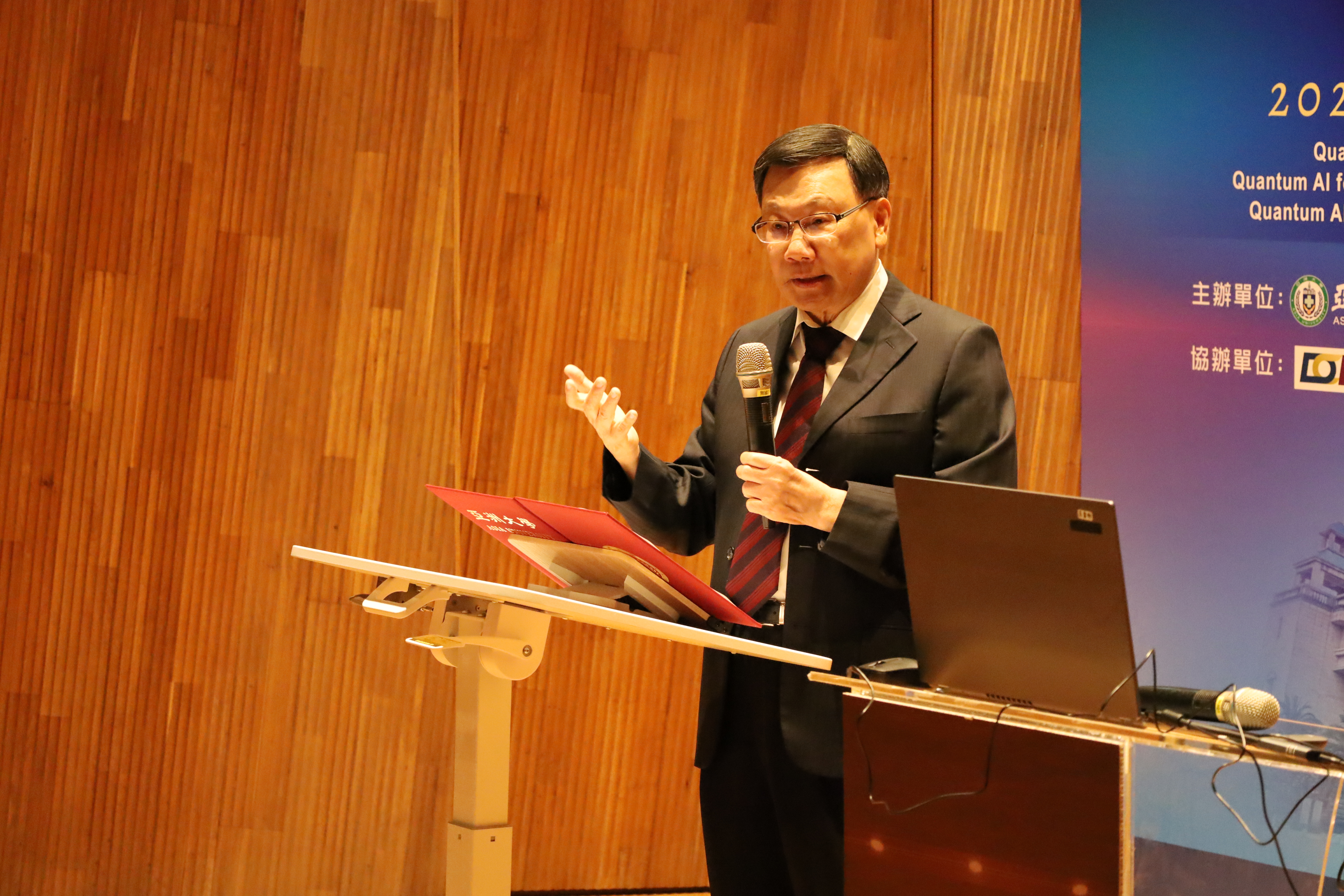 AU President Jeffrey J.P. Tsai stated that the university continues to advance research in quantum biomedical sciences and innovations in smart health technologies, aiming to cultivate more outstanding Quantum AI talents.
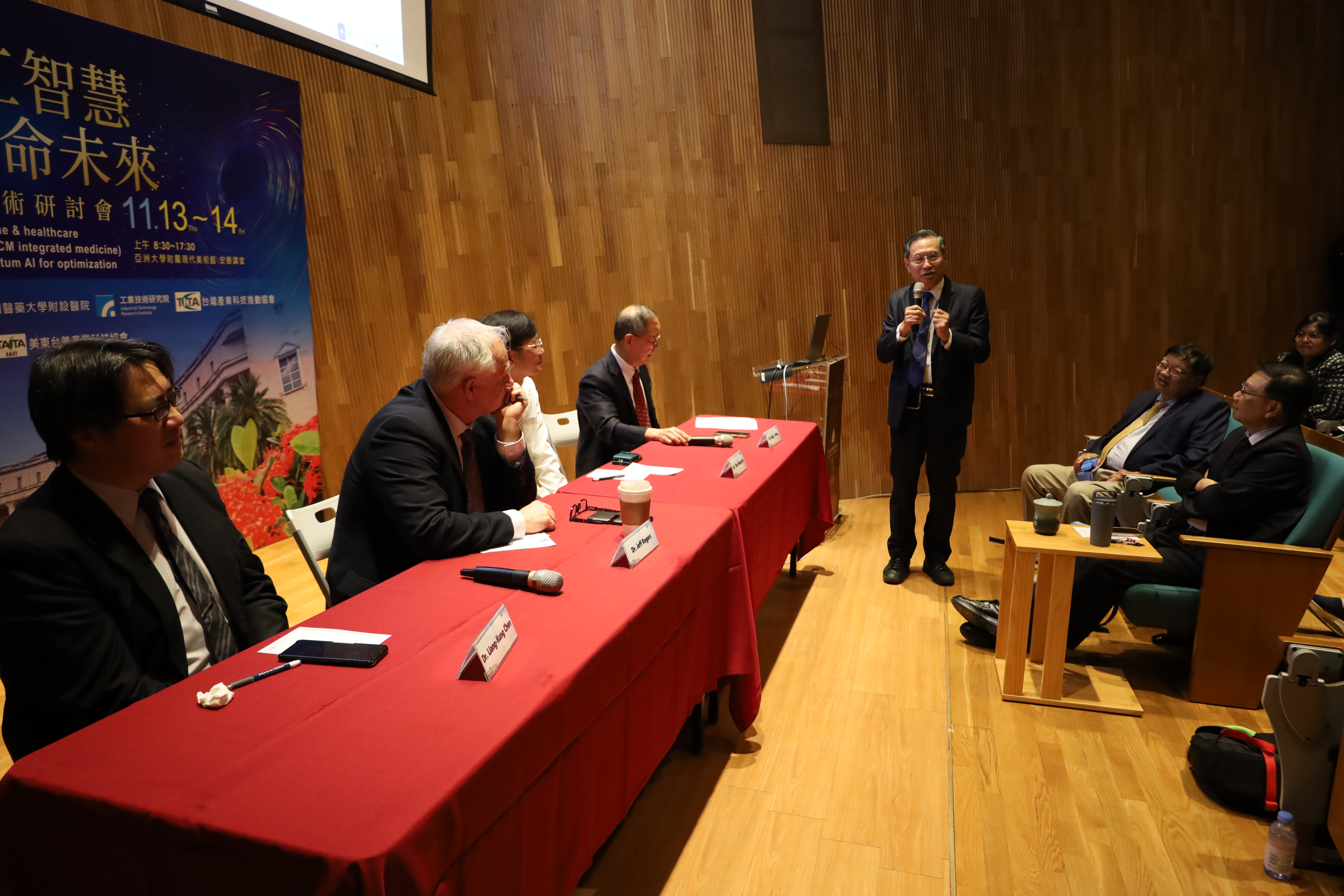
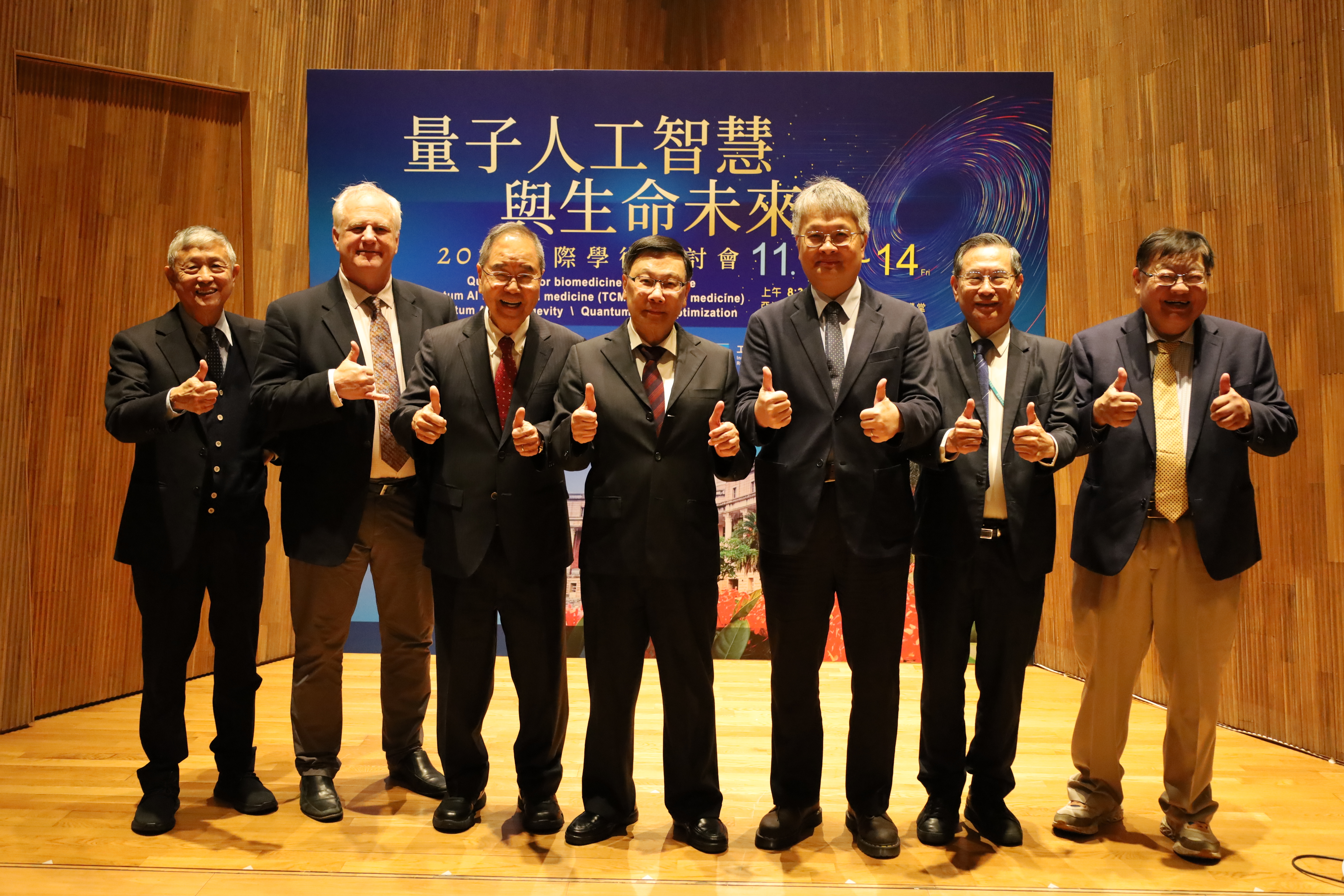
The “Quantum Artificial Intelligence and the Future of Life: 2025 International Symposium” was held at Asia University on November 13–14. The event brought together leading scholars and experts from AI, quantum technology, biomedical sciences, and traditional Chinese medicine to explore the latest developments of Quantum AI (QAI) in healthcare, life sciences, and longevity technologies.
At the opening ceremony, Deputy Minister of Education Kuo-Wei Liu praised Asia University’s efforts in AI, biomedical research, and quantum technology, particularly highlighting its achievements in cross-disciplinary integration, industry-academia collaboration, and international networking. He noted that the government’s new “3-3” policy aims to produce at least three Nobel Prize winners in physics, chemistry, or biomedical sciences over the next 30 years, with biomedical research being a major scientific priority—echoing the focus of this symposium.
Asia University President Chien-Fa Tsai emphasized that the symposium gathered elites from government, industry, and academia to explore one of the most exciting frontiers in science: Quantum Artificial Intelligence. QAI integrates quantum information theory with intelligent computing, leveraging the unique and powerful principles of quantum mechanics, such as superposition and entanglement, to process information in ways conventional systems cannot. Many complex challenges—including drug design, molecular simulation, environmental and disaster modeling, and various sustainable development issues—cannot be efficiently addressed by classical computing alone. Likewise, healthcare, biomedical research, finance, transportation, and energy sectors require more powerful and intelligent systems. Quantum computing’s low energy consumption and advanced computational capabilities make it especially suited for the AI era.
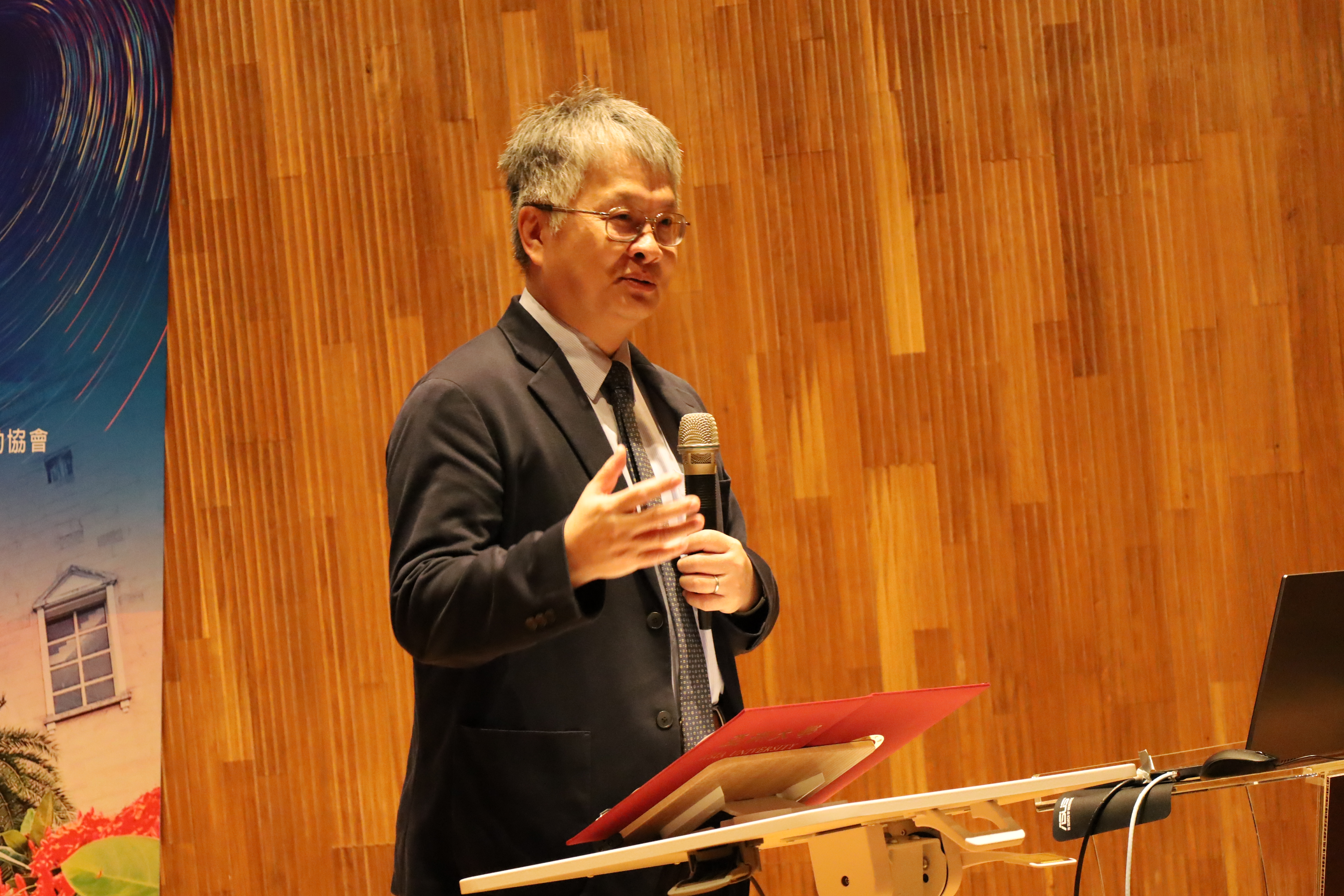 At the opening ceremony, Deputy Minister of Education Kuo-Wei Liu praised Asia University for its dedicated efforts in AI, biomedical sciences, and quantum technology.
President Jeffrey J.P. Tsai stated that the symposium brought together leading scholars, researchers, and industry leaders to share the latest research findings and engage in in-depth discussions, generating new ideas for future collaborations. The combination of quantum technology and artificial intelligence is expected to drive breakthroughs in precision medicine, disease prediction, longevity technology, and systems medicine. Asia University will continue to advance quantum biomedical research and smart health innovations to promote human health and sustainability.
Jeff Rogers, Chief of Global Digital Health Research at IBM, explained how Quantum AI can enhance smart healthcare systems and clinical decision-making. He elaborated on the powerful synergy between AI and quantum information, showing how this cutting-edge technology can build foundational models for personalized medicine from real-time medical data, highlighting Quantum AI’s potential to deliver more accurate and faster medical diagnoses and treatment decisions.
Pei-Yun Sabrina Hsueh, Director of AI Applications and External Innovation at Pfizer, shared online how global pharmaceutical companies leverage AI to drive drug development and life sciences innovation. She highlighted strategies for using large-scale AI to foster innovation in healthcare and life sciences, emphasizing how AI serves as a core productivity tool to achieve efficient, ethical R&D within the global pharmaceutical and life sciences industry.
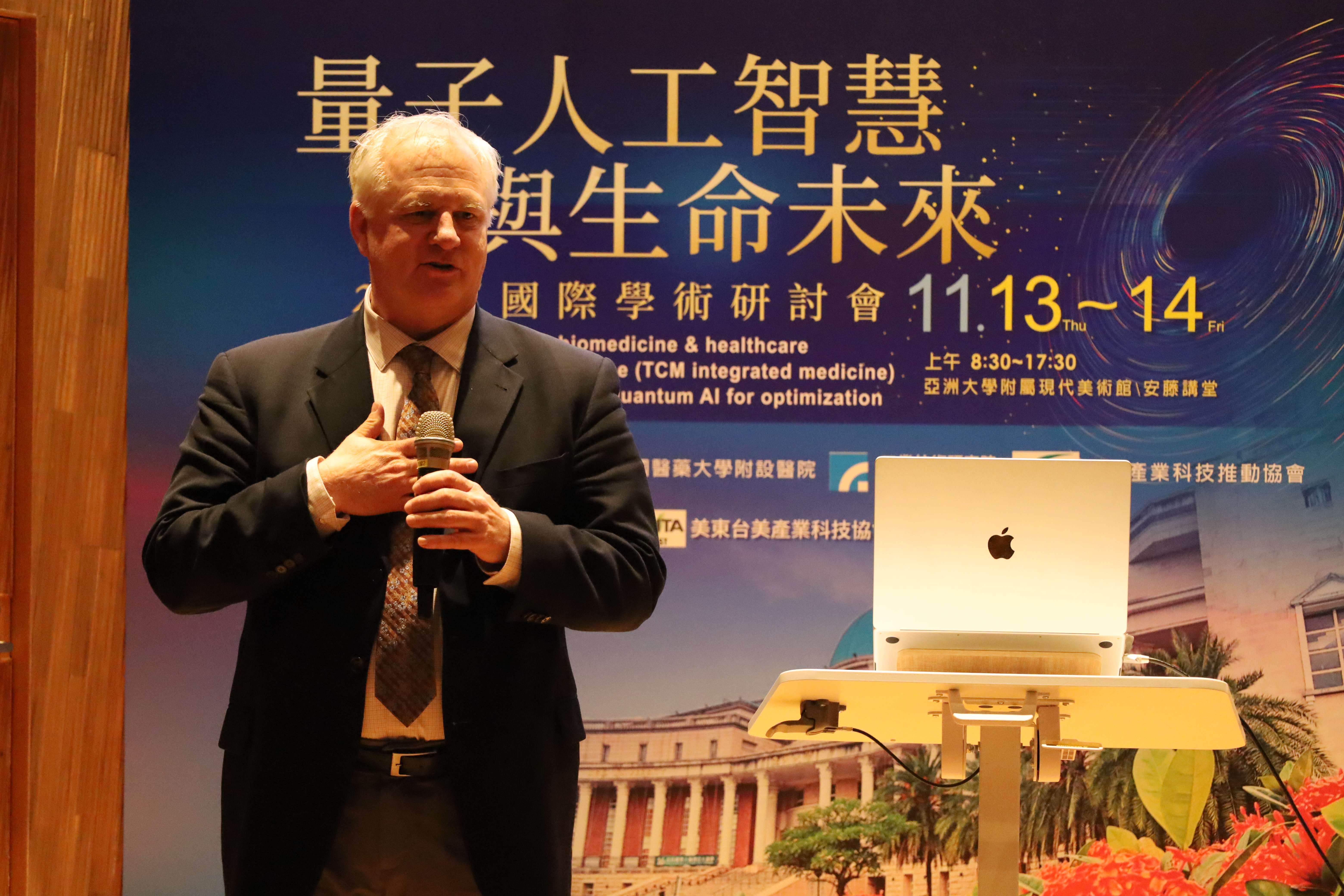 Jeff Rogers, Chief of Global Digital Health Research at IBM, explained how Quantum AI can enhance smart healthcare systems and improve clinical decision-making capabilities.
Dr. Liang-Kung Chen, Director of Taipei Municipal Guandu Hospital, discussed the applications of AI and quantum technology in geriatric health and longevity medicine. He emphasized linking AI applications with the ultimate human welfare goal—longevity—explaining how AI can interpret the biology of aging and play a critical role in geriatric care and anti-aging interventions, providing both insights and practical directions.
In the afternoon session, the discussion moved into integrative medicine. Dr. Ka-Kit Hui, Director of the UCLA East-West Medical Center, explored the deep integration of quantum computing, AI, and East-West medicine, highlighting the tremendous potential of Quantum AI to advance integrative health models that bridge Western precision medicine with the holistic concepts of Eastern traditional medicine.
Dr. Hong-Rong Yen, Dean of the College of Chinese Medicine at China Medical University, further elaborated on integrative medicine, emphasizing the concept of “AI for East-West Integration: Ancient Wisdom Promoting Innovative Health.” He highlighted combining the strengths of both Western and Chinese medicine with AI’s analytical power to achieve more comprehensive and forward-looking healthcare solutions.
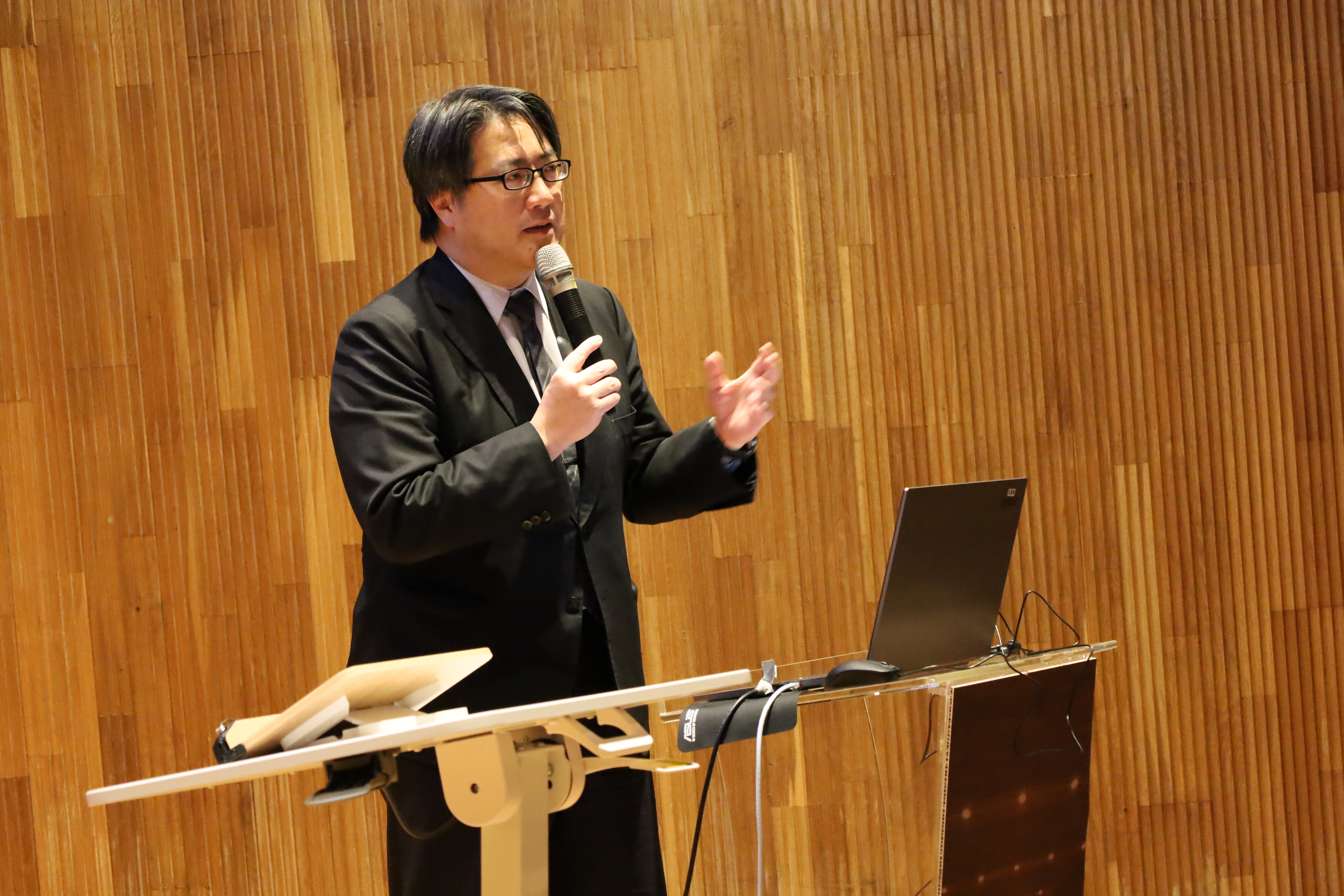 Dr. Liang-Kung Chen, Director of Taipei Municipal Guandu Hospital, discussed the applications of AI and quantum technology in geriatric health and longevity medicine.
Professor Sheng-Teng Huang from the Department of Chinese Medicine at China Medical University explored the modernization of traditional Chinese medicine (TCM) from a theoretical perspective. His lecture focused on how the profound wisdom of TCM can be interpreted and advanced through systems science and innovative thinking, promoting its deep integration with Quantum AI (QAI) technology.
Two specialized forums were hosted by Academician Kang-Lung Wang, Honorary Director of the AI and Quantum Research Center at Asia University, and Academician Zhao-Geng Lin, focusing on how QAI can revolutionize disease prediction, biomedical imaging, and personalized health care, as well as the intersection of TCM pattern differentiation, integrative medicine, and QAI. Academician Wang noted that the combination of quantum technology and AI has vast potential in medicine, especially within the “China-Asia United University” system, where TCM and Western medicine can be synergistically applied. Academician Lin highlighted his internationally recognized research in integrative medicine and acupuncture anesthesia and his role as an advisor to UNESCO on intangible cultural heritage. He emphasized that participating in the QAI forums provided new insights into the applications of quantum AI across disciplines.
President Jeffrey J.P. Tsai stated that the symposium showcased Asia University’s research strength in smart health and quantum technologies and deepened collaborations with international institutions including Harvard University, UCLA, Pfizer, and IBM. Asia University will continue to advance its “AI + Quantum + Healthcare” strategy to contribute to human health and well-being.