



Seamlessly Aligning with Central Taiwan’s Industry Expansion: An End-to-End Practical Training Site for Cultivating Elite Engineers
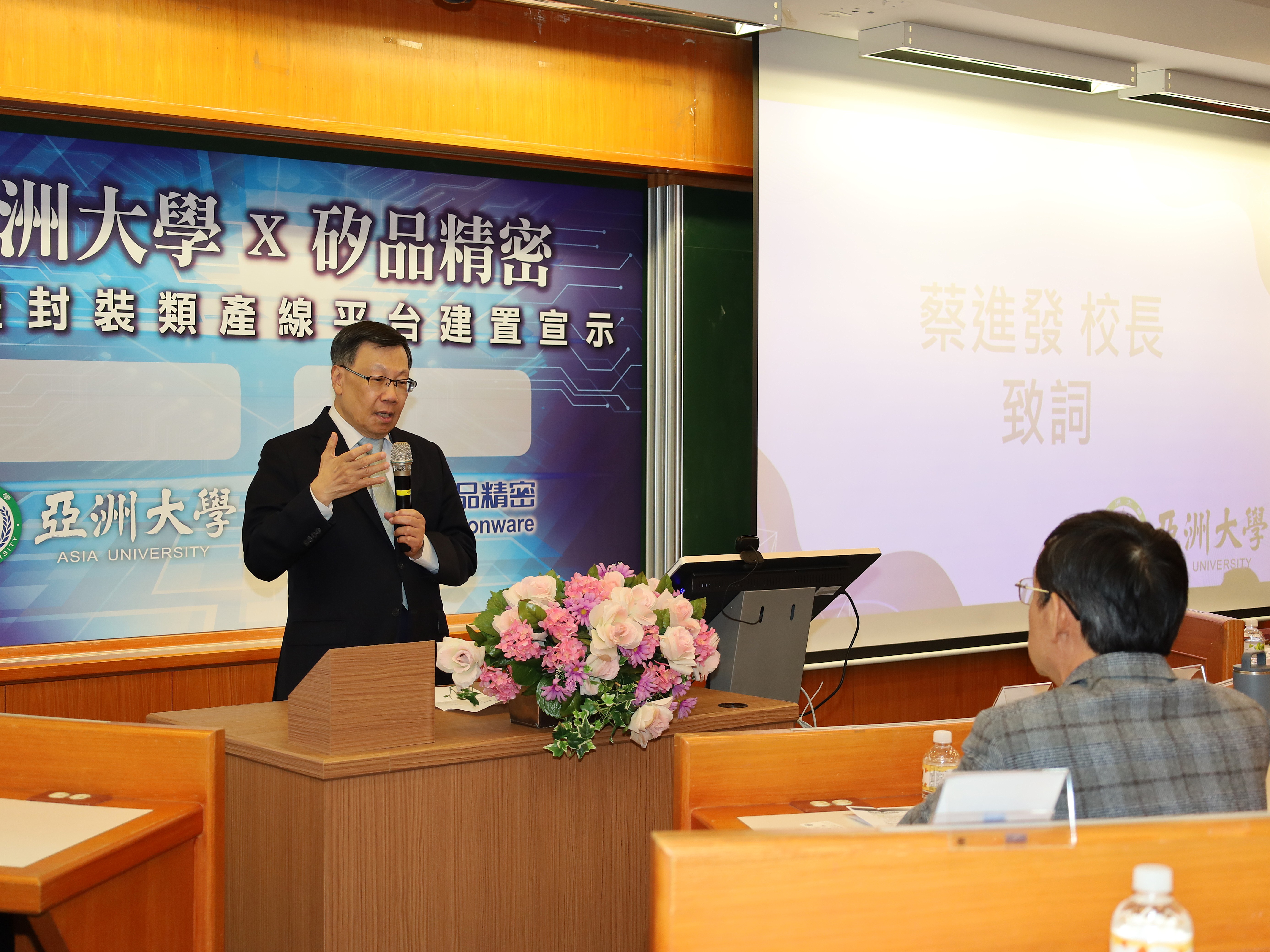 AU President Jeffrey J.P. Tsai of Asia University delivers a speech, reaffirming the institution's dedication to semiconductor education and industrial excellence.
As the demand for AI chips and High-Performance Computing (HPC) surges, Asia University (AU) and global semiconductor packaging leader Siliconware Precision Industries Co., Ltd. (SPIL) held a formal declaration ceremony on the 12th to launch the "Semiconductor Packaging Pseudo-Production Line Platform." This strategic alliance integrates industry-grade equipment and training modules directly into the campus, aiming to cultivate "job-ready" engineering talent for the global semiconductor race.
Despite breakthroughs in advanced processes, the industry faces a silent talent crisis. Reports indicate a monthly shortfall of over 34,000 R&D and manufacturing professionals in Taiwan’s semiconductor sector. By bringing a functional production line to the university, AU and SPIL are taking a bold step to address this critical shortage.
Building a Full-Supply-Chain Training Ecosystem
Dr. Jeffrey J.P. Tsai, President of Asia University, highlighted that the wave of AI applications is only beginning, driving the demand for design, process, and packaging experts to historic highs. AU has invested tens of millions of TWD to establish a comprehensive "End-to-End" practical training environment—the only university in Central Taiwan to do so:1.Upstream: The AMD Logic and Computing Lab for IC design and component simulation.2.Midstream: Facilities for wafer manufacturing, including coating, photolithography, etching, and metrology analysis.3.Downstream: The newly established Semiconductor Packaging Pseudo-Production Line in collaboration with SPIL.
President Tsai also noted AU’s world-class academic energy, with 22 professors ranked among the "World's Top 2% Scientists" by Stanford University, 11 of whom are from the College of Information and Electrical Engineering. "This collaboration allows students to touch the frontline of practical technology," President Tsai stated. "We expect these talents to sustain Taiwan's brilliance on the global semiconductor stage."
Fueling Expansion with Elite Talent
Ken Chien, Chief Administrative Officer of SPIL, congratulated Asia University on its upcoming 25th anniversary (March 16) and praised the institution’s explosive growth in global rankings. To meet the soaring demand for AI and server chips, SPIL is undergoing a massive expansion across Central and Southern Taiwan—including Hsinchu, Houli, Erlin, and Douliu—creating an urgent need for high-level engineers.
Mr. Chien noted that while hundreds of AU alumni currently work at SPIL, there is immense room for growth. Through this platform, SPIL will not only donate equipment but also dispatch professional engineers and industry mentors to share first-hand practical knowledge. "Our goal is a win-win: students graduate with immediate combat effectiveness, and we secure the elite talent needed for our expansion," Chien added.
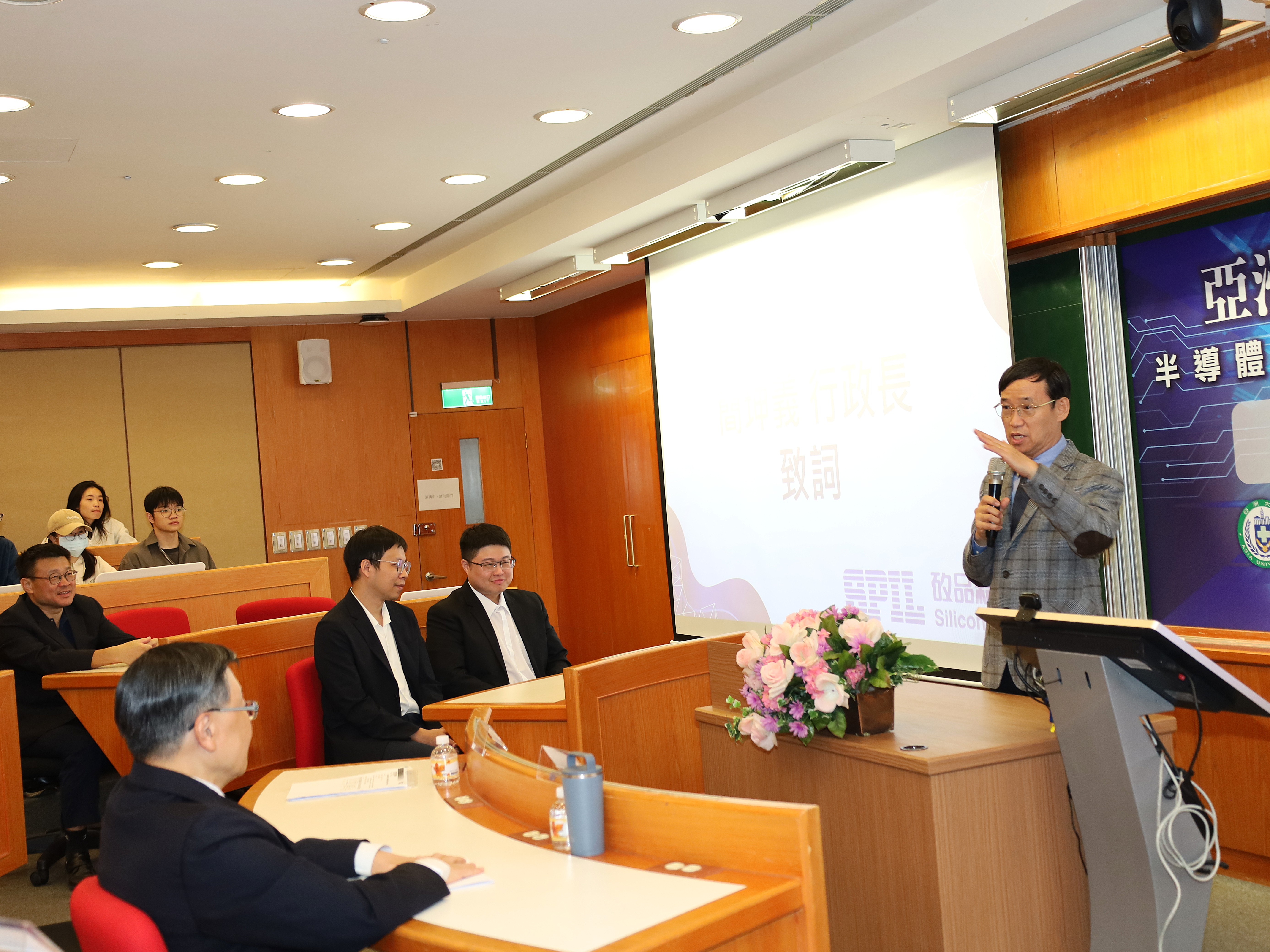 Ken Chien, Chief Administrative Officer of SPIL, stated that by integrating corporate equipment and training modules into the curriculum, the partnership aims to equip Asia University students with practical skills before graduation, achieving the goal of making them "job-ready upon graduation."
To ensure the successful implementation of this forward-looking partnership, the introduction of hardware and the construction of a factory-standard environment are the top priorities. SPIL has planned the donation of key packaging equipment, including Dicing Saws, Die Bonders, and Wire Bonders. In parallel, Asia University is designing corresponding facility infrastructure to ensure the training environment closely mirrors the rigorous conditions of a real semiconductor production line.
Beyond physical equipment, the collaboration integrates innovative Smart Teaching methods. Utilizing VR and AR immersive learning systems, students can conduct packaging process simulations, equipment structural analysis, troubleshooting drills, and production safety management in a safe, virtual environment. SPIL will also provide technical support to co-develop teaching materials and scenario scripts, enabling students to master core skills such as machine maintenance, equipment preservation, and production line management, rather than just basic operations.
Bridging Academic Theory with Million-Dollar Career Potential
Dr. Chun-Chieh Huang, Vice President of Asia University and Director of the Smart Semiconductor Center, added that semiconductor education requires a comprehensive practical environment where students understand the entire industry chain’s operation. The Bachelor Program in Semiconductors at AU currently features 14 specialized faculty members alongside industry experts, with 52 students enrolled in its inaugural class.
The curriculum adopts a step-by-step strategy: Freshman and Sophomore years focus on building a solid foundation in semiconductor fundamentals; Junior year introduces specialized semiconductor application projects; and Senior year places students in internships within semiconductor enterprises. By expanding the industry-mentor mechanism, AU invites field engineers and senior executives to teach courses, while providing employment guidance such as resume reviews, mock interviews, and career counseling.
This on-campus semiconductor packaging pseudo-production line represents a milestone in the deepening partnership between Asia University and SPIL. It achieves the ambitious goal of "precisely aligning with the core of the industrial chain and creating a talent pipeline where graduates become core assets immediately upon hiring," securing top-tier engineering talent with million-dollar annual salary potential for Taiwan’s semiconductor industry.
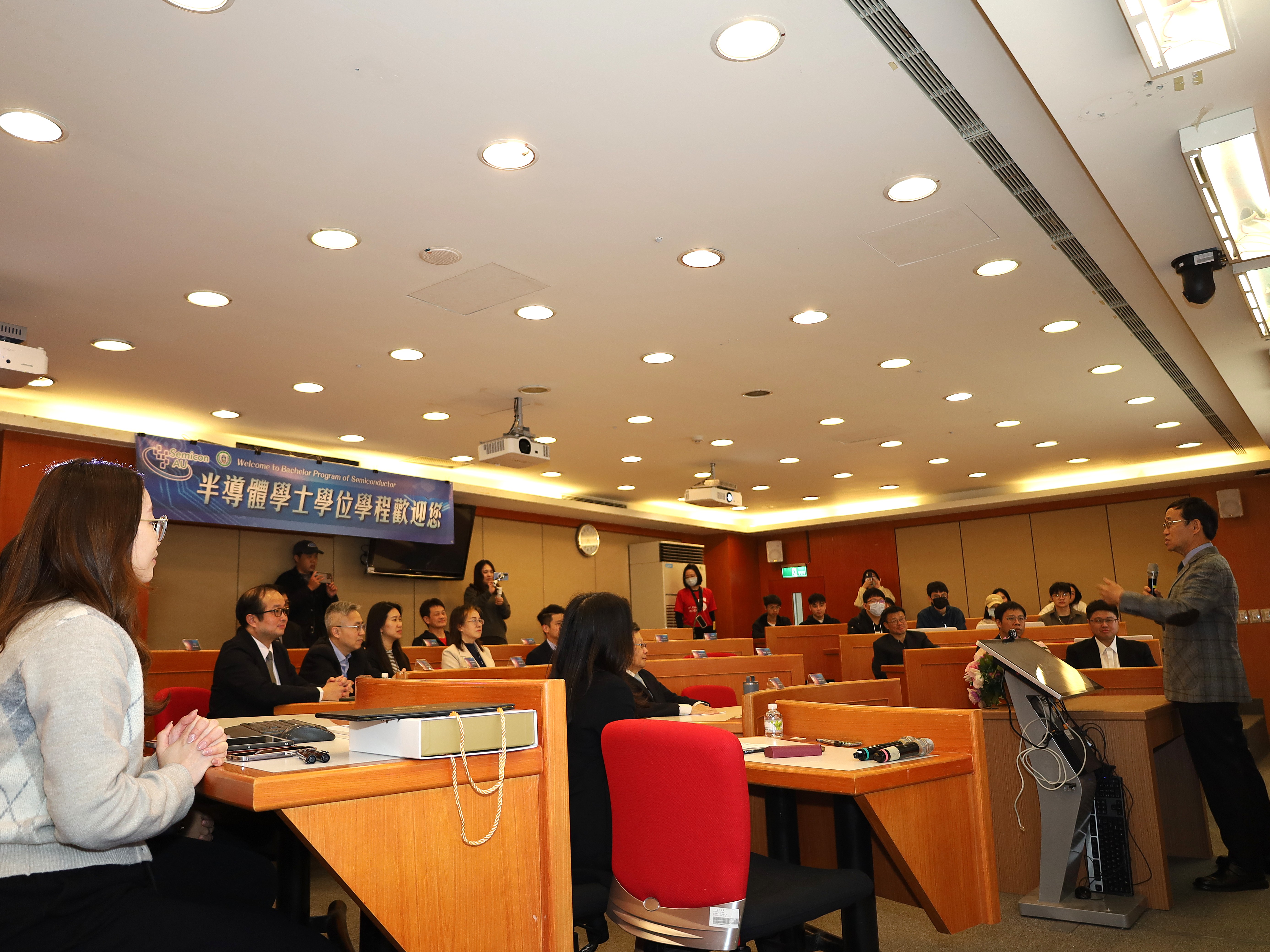
SPIL CAO Ken Chien discusses semiconductor trends and local expansion plans with Asia University faculty and students.
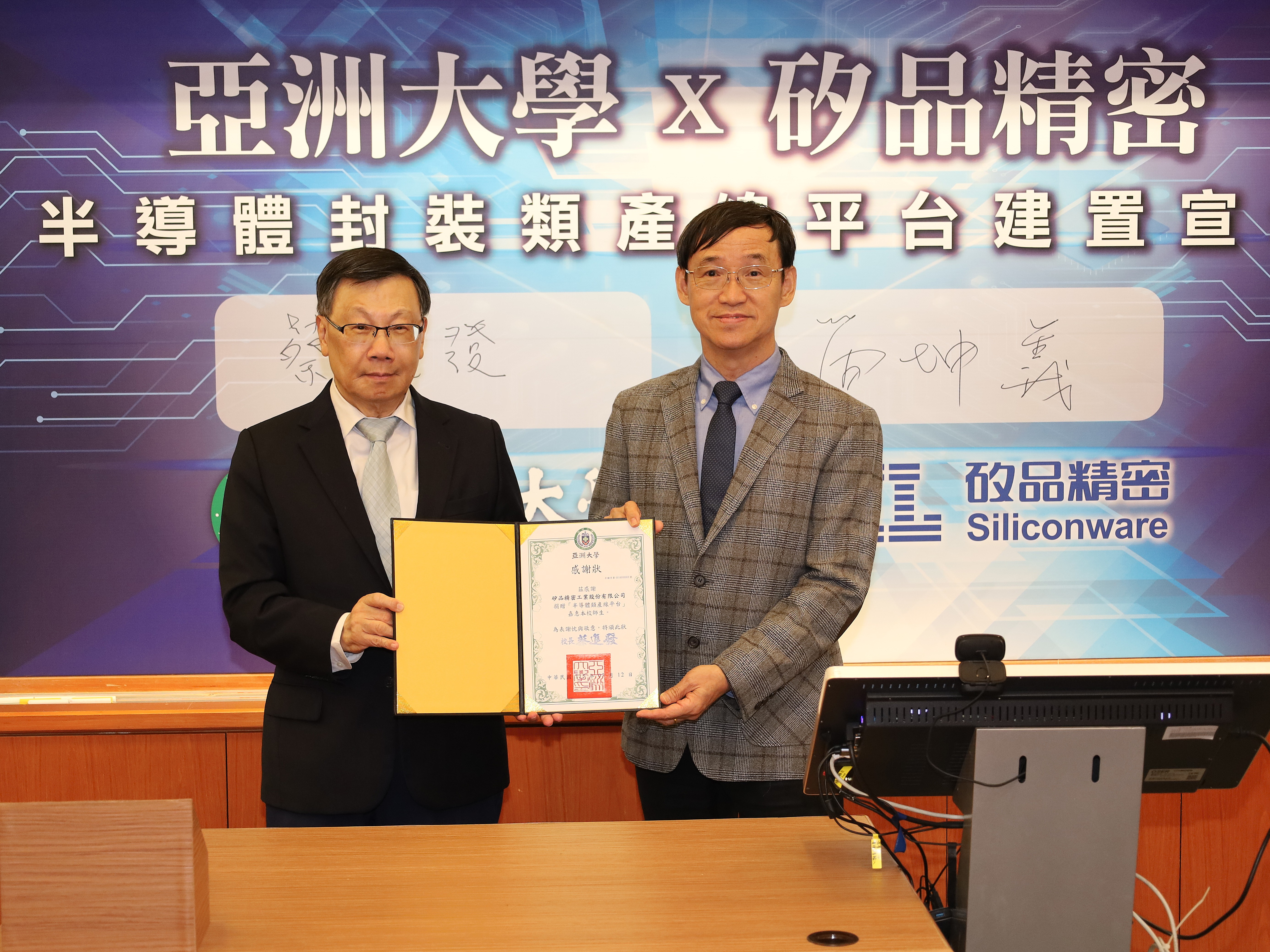
President Jeffrey J.P. Tsai (left) thanks SPIL CAO Ken Chien (right) with a certificate of appreciation for the company's donation of
vital semiconductor equipment and its commitment to nurturing future engineers at Asia University.
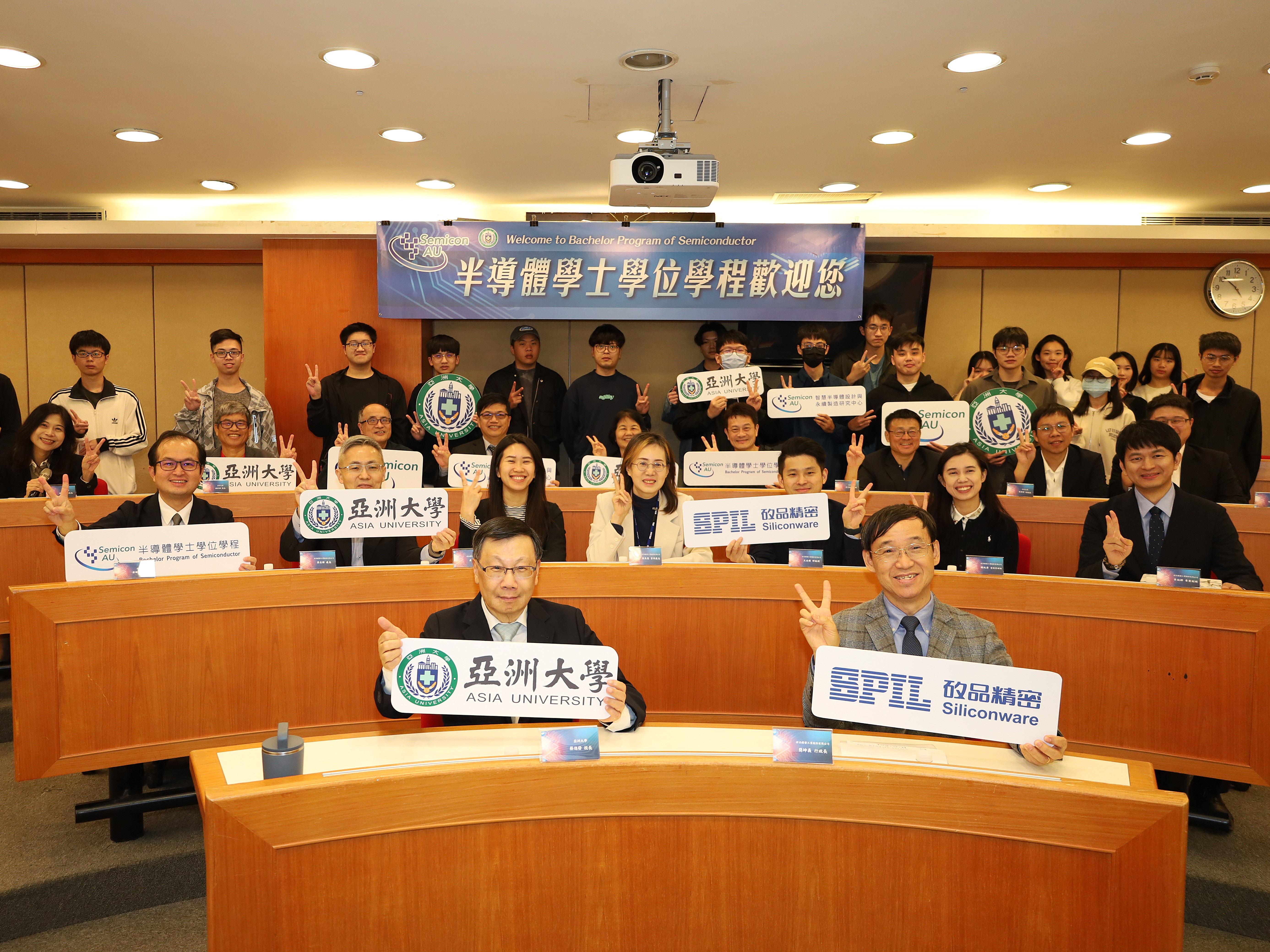
Asia University faculty and students join the SPIL team for a celebratory group photo following the ceremony, showcasing the
confidence and vitality of both parties as they join forces to establish a premier semiconductor talent training base.
